Praga Dentalní Péče
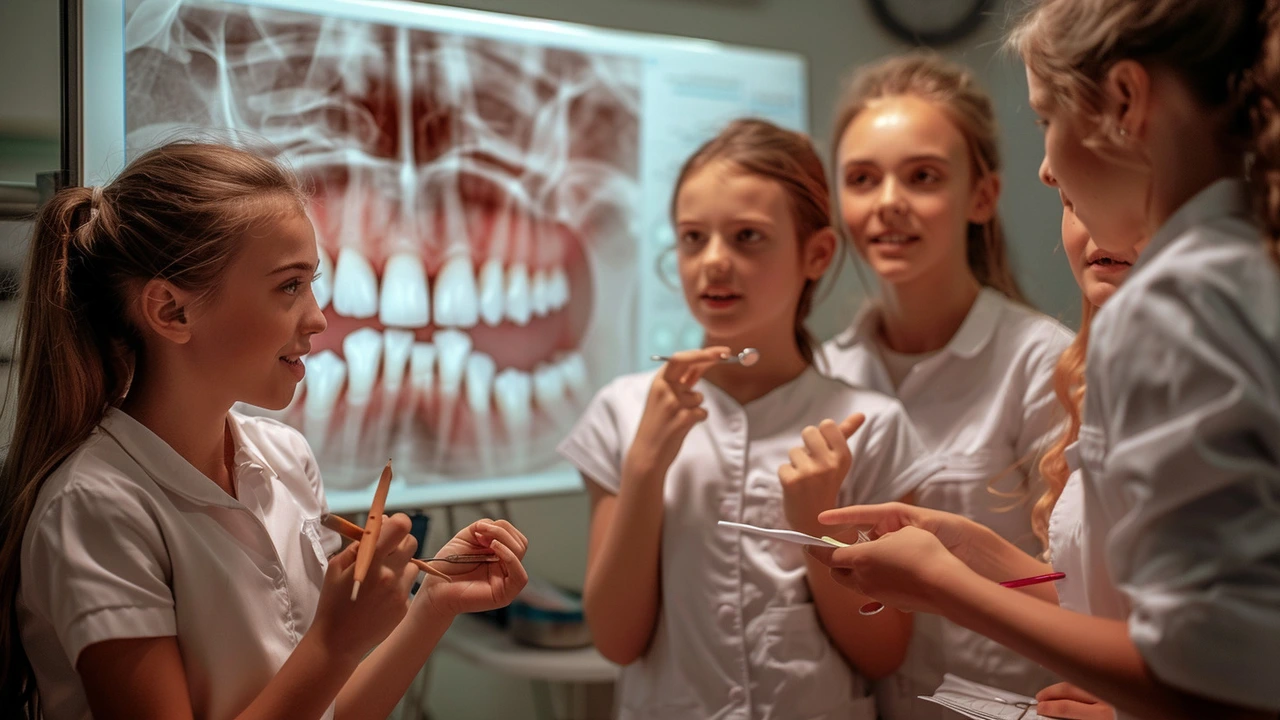
Název a funkcionalita zubů: Podrobný průvodce
Tento článek poskytuje podrobný přehled jednotlivých zubů v ústní dutině, jejich názvů a funkcí. Zjistíte, jaký zub nese jaké označení a proč jsou některé zuby nezbytné pro správné kousání a trávení. Článek také objasňuje, jak péče o různé typy zubů může ovlivnit celkové zdraví vašich úst.
Číst více
Dentální zrcátka jako nástroj pro zdravé zuby: Jak chránit svůj úsměv
Dentální zrcátka nejsou pouze pro zubní lékaře. Tento článek vysvětluje, proč je dentální zrcátko užitečným nástrojem pro každého, kdo chce zlepšit svou ústní hygienu a předcházet zubním problémům. Od účinných způsobů, jak dentální zrcátko používat, přes typy zrcátek až po tipy, jak si zrcátko vybrat – vše najdete v tomto podrobném průvodci.
Číst více
Proč mi žloutnou zuby? Příčiny a řešení zabarvení zubů
Zjistěte, proč dochází k žloutnutí zubů a jakým způsobem můžete tomuto problému předcházet nebo ho řešit. V článku se dozvíte o běžných příčinách, vlivu stravy a životního stylu, a také o možnostech, které máte k dispozici pro zlepšení barvy vašich zubů. Nabídneme vám také praktické tipy pro udržení zdravého úsměvu.
Číst více
Péče o otevřený zub: Kolik času je bezpečné a jak správně postupovat
Otevřený zub může představovat závažný zdravotní problém, pokud není řádně řešen. Tento článek poskytuje detailní průvodce o tom, jak dlouho je bezpečné nechat zub otevřený a jaké kroky byste měli podniknout, aby se zabránilo komplikacím, jako je infekce. Zahrnuje také návody na první pomoc a důležité informace o tom, kdy byste měli vyhledat zubního lékaře.
Číst více
Komplexní péče o tetracyklinové zuby: Odborné rady a tipy
Tento článek poskytuje hloubkový průvodce o tom, jak se starat o tetracyklinové zuby. Budeme se zabývat jejich charakteristikou, výzvami, které přináší, a nejnovějšími metodami jejich léčby. Získáte praktické tipy pro každodenní péči, odporúčania k profesionální péči a zajímavé informace o metodách bělení zubů vhodných pro tetracyklinově postižené zuby.
Číst více
Kdy a Proč Bolí Kaz: Hloubější Pohled na Zdraví Zubů
Tento článek se zaměřuje na jeden z nejčastějších zdravotních problémů - zubní kaz. Prozkoumáváme, kdy a proč kaz způsobuje bolest, jaký vliv má na naše celkové zdraví a jaké jsou nejúčinnější metody prevence. Přinášíme důležité informace, které vám pomohou lépe chránit vaše zuby a předcházet nepříjemnému pocitu bolesti způsobené kazem.
Číst více
Jak používat dentální zrcátko pro kontrolu zubních kapes: Průvodce pro domácí péči
Tento článek nabízí podrobný průvodce k využití dentálního zrcátka pro účinnou kontrolu zubních kapes pravdě na doma. Od technik a nástrojů potřebných pro správnou inspekci, přes zajímavá fakta o významu zubních kapes pro celkové ústní zdraví, až po tipy, jak lépe pečovat o své zuby a dásně. Čtenáři zde najdou užitečné informace a praktické rady, které pomohou posílit jejich každodenní rutinu péče o ústní hygienu.
Číst více
Jak efektivně čistit zubní korunky: Průvodce pro každého
Čištění zubních korunek je klíčové pro udržení zdravého úsměvu a prevenci dentálních problémů. V tomto článku se podíváme na to, jak správně pečovat o vaše korunky, abyste si zachovali krásný úsměv. Nabídneme praktické rady a triky, jak efektivně čistit korunky, čímž zvýšíme jejich životnost a zároveň udržíme celkové zdraví vaší ústní dutiny.
Číst více
Úplný průvodce zubními implantáty: Vše, co potřebujete vědět
Tento detailní průvodce zubními implantáty poskytuje ucelený pohled na tento moderní způsob náhrady zubů. Od popisu co zubní implantáty jsou, přes proces jejich zavádění, po péči o implantáty a možné komplikace. Zjistěte, proč se implantáty považují za jedno z nejlepších řešení pro náhradu chybějících zubů a jak správně pečovat o svůj nový úsměv.
Číst více
Význam dětské stomatologie pro prevenci zubních problémů u dětí
Dětská stomatologie hraje klíčovou roli v prevenci zubních a ústních problémů od raného věku. Tento článek se zabývá významem pravidelných návštěv u dětského stomatologa, výběrem správného zubního kartáčku a pasty, výživovými zvyklostmi podporujícími zdraví zubů a dásní, a také včasnou prevencí zubního kazu. Cílem je informovat rodiče o tom, jak správně pečovat o zuby svých dětí, aby se předešlo běžným zubním problémům.
Číst více